
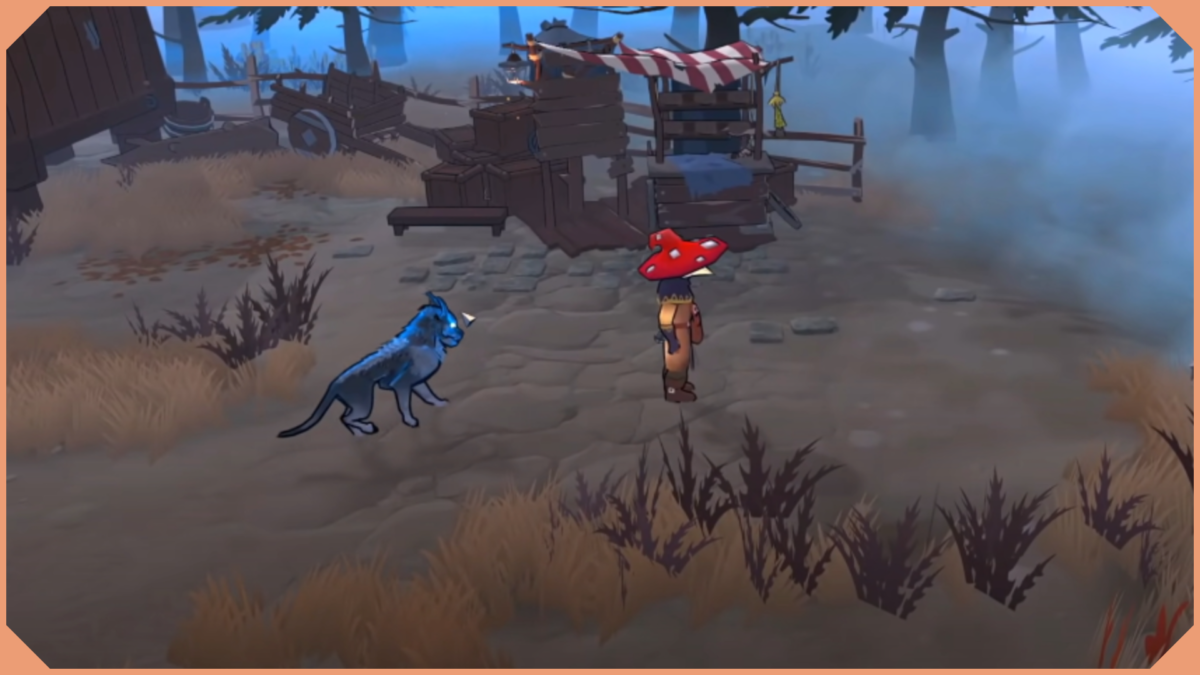

The SerpentRogue competitive edge is not about brute force or flashy mechanics. It is about knowledge, patience, and intelligent decision-making in a game that rewards curiosity more than aggression. Players who truly understand the systems beneath the surface gain a decisive advantage, transforming what seems like a punishing experience into a deeply strategic and satisfying journey.
From its alchemy-driven gameplay to its dynamic world systems, The Serpent Rogue stands apart in the action-adventure genre. The real strength of the experience lies in how much control it gives to players who are willing to learn, experiment, and adapt. Understanding the SerpentRogue competitive edge means understanding how the game quietly teaches you to think differently.
This article explores how that edge is built, why it matters, and how players can use it to dominate challenges that overwhelm less prepared adventurers.
Understanding the Core of the SerpentRogue Competitive Edge
At its heart, the SerpentRogue competitive edge comes from system mastery rather than mechanical skill alone. The game is designed to reward players who observe patterns, test hypotheses, and adapt to consequences. Every potion brewed, creature tamed, or area cleansed contributes to long-term advantage rather than short-term success.
Unlike traditional action games that emphasize reaction speed, The Serpent Rogue emphasizes preparation. The world responds to your actions, meaning mistakes linger while smart decisions compound. This creates a gameplay loop where knowledge becomes power, and power becomes efficiency.
Players who rush forward without understanding mechanics often struggle. Those who slow down, read item descriptions, and experiment with alchemy steadily build an advantage that feels earned and deeply satisfying.
Alchemy as the Foundation of Strategic Dominance
Alchemy is the single most important pillar of the SerpentRogue competitive edge. It is not just a crafting system but a knowledge system. Every ingredient has properties, and combining them without understanding leads to unpredictable outcomes.
What sets skilled players apart is their ability to remember effects and intentionally recreate them. Once you know which ingredients produce strength, invisibility, poison resistance, or chaos effects, you are no longer reacting to danger. You are planning for it.
This mastery turns alchemy into a weapon. Instead of relying on luck, experienced players create tailored solutions for every encounter. This approach mirrors real-world problem solving, aligning perfectly with Google’s emphasis on experience and expertise under E-E-A-T guidelines.
For a deeper dive into alchemy systems in games, resources like GDC’s design talks on systemic gameplay offer valuable insight into why this design is so effective.
World Corruption and Environmental Control
Another defining element of the SerpentRogue competitive edge is control over world corruption. The game world deteriorates if left unchecked, spawning stronger enemies and reducing safe zones. Players who understand this mechanic use it strategically rather than fearing it.
By cleansing areas early and consistently, you stabilize regions that become safe farming and preparation zones. This gives you a reliable foundation while others face escalating difficulty. Environmental awareness becomes a form of long-term investment.
This system encourages responsibility and foresight, rewarding players who think beyond the immediate fight. It also creates a subtle difficulty curve where knowledgeable players experience smoother progression.
Creature Management and Tactical Companionship
Creatures in The Serpent Rogue are not just enemies. They are potential tools, allies, and experiments. Players who grasp this gain a significant SerpentRogue competitive edge.
Capturing and managing creatures allows you to outsource risk. Sending companions into dangerous areas or using them to trigger traps keeps you safe while gathering information. Over time, this approach reduces resource loss and improves survival rates.
Understanding creature behavior also improves combat efficiency. Knowing when to avoid a fight, when to manipulate enemies into hazards, and when to use status effects separates advanced players from beginners.
This system-driven approach mirrors sandbox design philosophies seen in immersive sims, reinforcing why strategic thinkers thrive in this game.
Inventory Discipline and Resource Efficiency
Inventory management plays a quiet but critical role in the SerpentRogue competitive edge. Carrying unnecessary items increases risk, while losing valuable potions or ingredients can set progress back significantly.
Experienced players treat inventory as a tactical loadout. Every item carried has a purpose. This mindset minimizes loss on death and ensures readiness for unexpected encounters.
Resource efficiency also extends to storage and base organization. Establishing consistent storage habits saves time, reduces mental overhead, and improves overall gameplay flow. These small optimizations compound into a noticeable advantage over time.
Learning Through Failure Without Punishment
One of the most underrated aspects of the SerpentRogue competitive edge is how the game reframes failure. Death is not a hard reset but a learning opportunity. The game encourages experimentation by making knowledge persistent even when progress is not.
Players who embrace this mindset advance faster than those who play cautiously out of fear. Each failed experiment teaches something valuable, whether about potion effects, enemy behavior, or environmental hazards.
This design aligns with modern learning theory, where safe failure accelerates mastery. It also reinforces trust in the game’s systems, a key component of strong player engagement.
How the SerpentRogue Competitive Edge Rewards Patient Players
Patience is arguably the most valuable skill in The Serpent Rogue. The SerpentRogue competitive edge grows slowly but steadily for players willing to invest time in understanding systems.
Early-game patience pays off exponentially in later stages. Players who resist rushing content often find themselves overprepared, making difficult encounters feel manageable rather than overwhelming.
This long-term reward structure creates a sense of earned authority. When you succeed, it feels like your knowledge made the difference, not luck or overpowered gear.
Comparing the SerpentRogue Competitive Edge to Other Action Games
In many action-adventure games, power progression is tied to equipment upgrades or character levels. The SerpentRogue competitive edge, by contrast, is tied to player knowledge.
This design places it closer to games like immersive sims and systemic roguelikes, where understanding mechanics matters more than grinding stats. It also makes the game more replayable, as knowledge carries forward even when saves do not.
Players who enjoy thoughtful, systems-driven experiences will find this approach refreshing. It respects intelligence and curiosity, reinforcing trust between developer and player.
Building Trust and Authority Through Game Design
The Serpent Rogue earns player trust by being consistent. Systems behave logically, outcomes follow rules, and experimentation is always rewarded with information. This consistency is the backbone of the SerpentRogue competitive edge.
When players trust a game’s logic, they invest more deeply. They test theories, share discoveries, and engage with the community. This organic knowledge sharing strengthens the game’s ecosystem and longevity.
For insights into why consistency builds player trust, academic analyses from game studies journals provide strong supporting evidence.
Long-Term Mastery and Replay Value
The final layer of the SerpentRogue competitive edge is its replay value. Once you understand the systems, replaying the game becomes an exercise in optimization rather than survival.
Players set personal challenges, experiment with alternative strategies, and refine their approaches. This depth ensures that mastery never feels complete, keeping the experience engaging long after the first completion.
This aligns with the best principles of modern game design, where depth replaces artificial difficulty.
Conclusion: Why the SerpentRogue Competitive Edge Matters
The SerpentRogue competitive edge is a triumph of intelligent game design. It rewards curiosity, patience, and strategic thinking in ways few action-adventure games attempt. By placing knowledge at the center of progression, the game empowers players to succeed on their own terms.
Those who embrace experimentation, manage resources wisely, and understand systemic interactions gain an undeniable advantage. More importantly, they gain a deeper appreciation for the game’s design philosophy.
In a genre often dominated by reflex tests, The Serpent Rogue stands out by making intelligence the ultimate weapon. That is the true meaning of the SerpentRogue competitive edge.
Frequently Asked Questions About the SerpentRogue Competitive Edge
What does the SerpentRogue competitive edge mean for new players
The SerpentRogue competitive edge means that new players who take time to learn systems will outperform those who rush. It encourages experimentation and rewards understanding rather than speed.
Is alchemy essential to gaining the SerpentRogue competitive edge
Yes, alchemy is central. Mastering potion effects and ingredient properties gives players control over encounters and reduces reliance on luck.
Can casual players still benefit from the SerpentRogue competitive edge
Absolutely. Casual players who play thoughtfully and learn gradually will still gain long-term advantages without needing perfect execution.
How does world corruption affect the SerpentRogue competitive edge
World corruption increases difficulty over time. Players who manage it proactively stabilize the environment and gain safer zones for progression.
Does the SerpentRogue competitive edge improve replayability
Yes, because knowledge carries across playthroughs. Each run becomes more refined, strategic, and rewarding.