
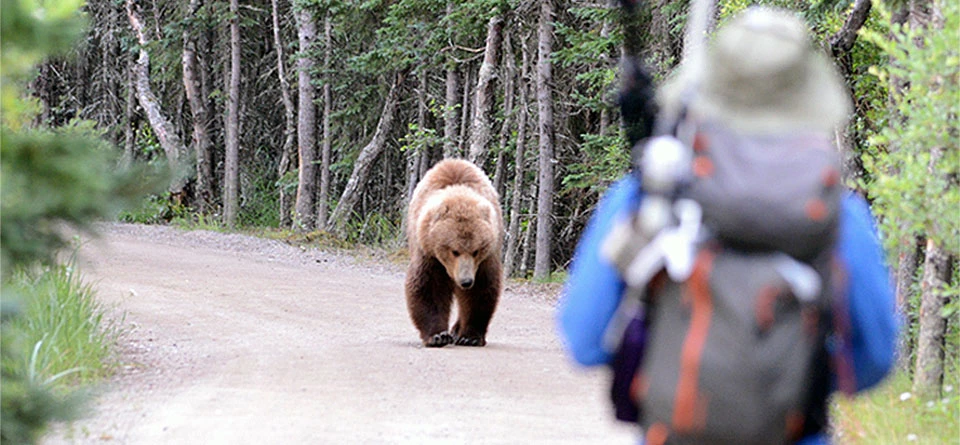

A grizzly bear dog walker encounter is one of the most intense wildlife situations a person can experience in the outdoors. These encounters, while rare, highlight the powerful intersection between humans, pets, and wild predators. As more people explore forests, parks, and mountainous trails with their dogs, the chances of unexpected wildlife interactions increase.
The phrase grizzly bear dog walker encounter has gained attention in recent years due to viral news stories and real-life survival accounts. These situations often unfold quickly and can be dangerous if people do not understand how grizzly bears behave or how dogs can influence bear reactions.
Understanding the dynamics behind a grizzly bear dog walker encounter is essential for hikers, pet owners, wildlife enthusiasts, and anyone who spends time in bear country. By learning about bear behavior, common causes of encounters, and proper safety responses, people can significantly reduce risks while still enjoying nature responsibly.
The Reality Behind a Grizzly Bear Dog Walker Encounter
A grizzly bear dog walker encounter typically occurs when someone walking a dog unknowingly enters the territory of a grizzly bear. These bears inhabit regions across North America, particularly in parts of Alaska, western Canada, Montana, Wyoming, and Idaho.
Grizzly bears are powerful animals with exceptional senses of smell and hearing. Most encounters occur because the bear is surprised or feels threatened.
Dogs play a complex role in these situations. A dog may detect a bear before the human does and begin barking or chasing it. While this might seem helpful at first, it can actually escalate the situation. When the dog returns to its owner, the bear may follow, turning a distant sighting into a direct confrontation.
This dynamic explains why many wildlife experts emphasize awareness during any grizzly bear dog walker encounter, especially in known bear habitats.
Why Dogs Increase the Risk in Bear Encounters
The presence of a dog changes the behavior of both humans and wildlife. During a grizzly bear dog walker encounter, dogs can unintentionally provoke bears.
Grizzly bears are territorial animals. When a dog approaches them aggressively, barking or running toward them, the bear may react defensively. Even if the dog retreats, the bear may follow it back to the owner.
Another factor is scent. Dogs carry strong scents that can attract curious wildlife. A bear may approach simply to investigate.
Many documented cases of a grizzly bear dog walker encounter involve off-leash dogs. When dogs roam ahead on a trail, they may surprise a bear hidden in vegetation. The bear reacts defensively, and the dog runs back toward its owner, bringing the bear along.
Because of this pattern, wildlife authorities strongly recommend keeping dogs leashed in bear country.
Typical Scenarios in a Grizzly Bear Dog Walker Encounter
Understanding common scenarios helps people prepare for a grizzly bear dog walker encounter.
One common situation occurs on forest trails where visibility is limited. A dog walker rounds a bend and suddenly sees a bear feeding on berries or resting.
Another situation involves a dog running ahead of its owner and encountering a bear first. The dog barks aggressively and then retreats toward the owner with the bear following.
A third scenario happens near waterways or fishing spots where bears gather to hunt for fish. A dog’s movement or barking can trigger a defensive reaction from a nearby bear.
Each grizzly bear dog walker encounter unfolds differently, but they share a common theme: surprise and proximity.
How Grizzly Bears Typically React to Humans
Despite their reputation, grizzly bears usually try to avoid humans. Many grizzly bear dog walker encounter stories end without physical contact because the bear chooses to retreat.
Grizzlies rely heavily on scent and sound. If they detect humans early enough, they often leave the area.
However, if a bear feels cornered, startled, or protective of cubs, its response can be aggressive. A grizzly bear dog walker encounter becomes particularly dangerous when the bear believes its safety or its cubs are threatened.
Defensive behavior may include bluff charges, loud vocalizations, or swatting the ground.
These actions are intended to scare away perceived threats rather than initiate a predatory attack.
Real-Life Lessons from Grizzly Bear Dog Walker Encounter Reports
Many wildlife reports provide valuable lessons about how people survive a grizzly bear dog walker encounter.
Survivors frequently describe the importance of staying calm. Panic or sudden movements can trigger further aggression from a bear.
Another common lesson is the importance of carrying bear spray. Bear spray has proven highly effective at stopping aggressive bears when used correctly.
Distance also matters. The closer someone is to the bear during a grizzly bear dog walker encounter, the less time they have to react.
Noise can help prevent encounters in the first place. Talking, clapping, or making sounds while walking alerts wildlife that humans are nearby.
Preventing a Grizzly Bear Dog Walker Encounter
Prevention is always the safest strategy when walking dogs in bear territory. Reducing the chance of a grizzly bear dog walker encounter starts with awareness.
Understanding the local environment is critical. Many national parks and wilderness areas provide updates on bear activity.
Walking dogs during daylight hours can also reduce risk. Bears are often more active during early morning or evening periods.
Keeping dogs close and under control greatly reduces the chance of provoking wildlife. Responsible pet management plays a major role in preventing a grizzly bear dog walker encounter.
Trail etiquette and environmental awareness allow people to enjoy outdoor recreation safely while respecting wildlife habitats.
What to Do During a Grizzly Bear Dog Walker Encounter
If someone suddenly faces a grizzly bear dog walker encounter, knowing how to react can make the difference between safety and danger.
The first step is to remain calm and avoid running. Running may trigger a chase response from the bear.
Speaking calmly and backing away slowly can help the bear recognize the person as human rather than prey.
Maintaining visual awareness of the bear while slowly creating distance is often recommended by wildlife experts.
If the bear approaches aggressively during a grizzly bear dog walker encounter, bear spray can be used as a deterrent. The spray creates a powerful cloud that irritates the bear’s eyes and nose, encouraging it to retreat.
Remaining composed is one of the most important survival strategies in these situations.
The Role of Bear Spray in Wildlife Safety
Bear spray has become an essential tool for hikers and dog walkers in bear country. In many documented cases, bear spray has helped end a grizzly bear dog walker encounter without serious injury.
The spray contains capsaicin, a compound derived from chili peppers. When released, it creates a powerful deterrent that temporarily incapacitates the bear’s senses.
Carrying bear spray in an easily accessible location is important. If the spray is buried inside a backpack, it may not be useful during a sudden grizzly bear dog walker encounter.
Training and familiarity with the spray can help ensure it is used effectively if needed.
Why Grizzly Bear Encounters Are Increasing
Many experts believe that the number of reported grizzly bear dog walker encounter incidents is increasing due to expanding human recreation in wilderness areas.
As more people hike, camp, and explore remote trails, the chances of crossing paths with wildlife naturally rise.
Climate and habitat changes also influence bear movement patterns. Bears may explore new areas in search of food sources, increasing the likelihood of encounters.
Population recovery efforts have also allowed grizzly bear populations to grow in certain regions. While this is positive for conservation, it means humans must adapt to sharing space with these animals.
Understanding these factors helps explain why awareness around grizzly bear dog walker encounter situations is becoming increasingly important.
Living Responsibly in Bear Country
People who live or travel in bear habitats must learn to coexist responsibly with wildlife. Respecting the natural behavior of grizzly bears reduces conflict and keeps both humans and animals safe.
Responsible outdoor practices include storing food properly, keeping dogs controlled, and staying alert while walking in natural areas.
A grizzly bear dog walker encounter is often the result of human presence overlapping with natural wildlife activity. By adjusting our behavior, we can reduce unnecessary risk.
Education and awareness remain the most powerful tools for preventing dangerous encounters.
Conclusion: What Every Dog Walker Should Know About a Grizzly Bear Dog Walker Encounter
A grizzly bear dog walker encounter is a rare but serious event that highlights the importance of wildlife awareness and outdoor responsibility. These encounters often occur suddenly, leaving little time to react.
Understanding how grizzly bears behave, how dogs influence encounters, and how to respond calmly can significantly reduce danger.
Most grizzly bears prefer to avoid humans, but situations involving surprise, territorial defense, or protective mothers can escalate quickly.
For anyone walking a dog in bear territory, preparation is essential. Carrying bear spray, keeping dogs leashed, making noise on trails, and staying aware of surroundings can prevent many encounters.
By respecting wildlife and practicing safe outdoor habits, people can reduce the likelihood of a dangerous grizzly bear dog walker encounter and continue enjoying nature safely.
Frequently Asked Questions About Grizzly Bear Dog Walker Encounter
What should you do if you experience a grizzly bear dog walker encounter?
During a grizzly bear dog walker encounter, remain calm, avoid running, and slowly back away while speaking calmly. Keep your dog close and prepare bear spray if the bear approaches aggressively.
Why do dogs sometimes trigger grizzly bear encounters?
Dogs may bark, chase, or surprise bears during a grizzly bear dog walker encounter. This can provoke defensive behavior from the bear, especially if the dog approaches too closely.
Are grizzly bear attacks on dog walkers common?
A grizzly bear dog walker encounter is relatively rare. Most bears avoid humans when possible. However, encounters can become dangerous if the bear feels threatened or startled.
Does keeping a dog on a leash reduce bear encounter risks?
Yes, keeping a dog leashed significantly reduces the chances of a grizzly bear dog walker encounter escalating. A controlled dog is less likely to chase or provoke wildlife.
Is bear spray effective during a grizzly bear encounter?
Bear spray is widely considered one of the most effective tools during a grizzly bear dog walker encounter. It creates a strong deterrent that can stop an aggressive bear without causing permanent harm.
Kevin Von Erich Net Worth: A Deep Dive into the Wrestling Legend’s Wealth